TL;DR: AI hallucinations can damage your Amazon listing's credibility. Learn how to detect and verify AI-generated content using practical tools and methods tailored for Amazon sellers.
Key Takeaways
- AI hallucinations occur when AI generates factually incorrect or fabricated content, which can harm product listing accuracy and customer trust.
- Amazon sellers must use AI content verification tools and manual cross-checking to detect AI-generated inaccuracies in product titles, descriptions, and bullet points.
- Combining AI detection tools like Originality.ai, Copyleaks, and GPTZero with human review ensures higher content authenticity and brand credibility.
Table of Contents
Note on marketplaces: This guide is specifically optimized for the US market.
What Is AI Hallucination in E-commerce Content?
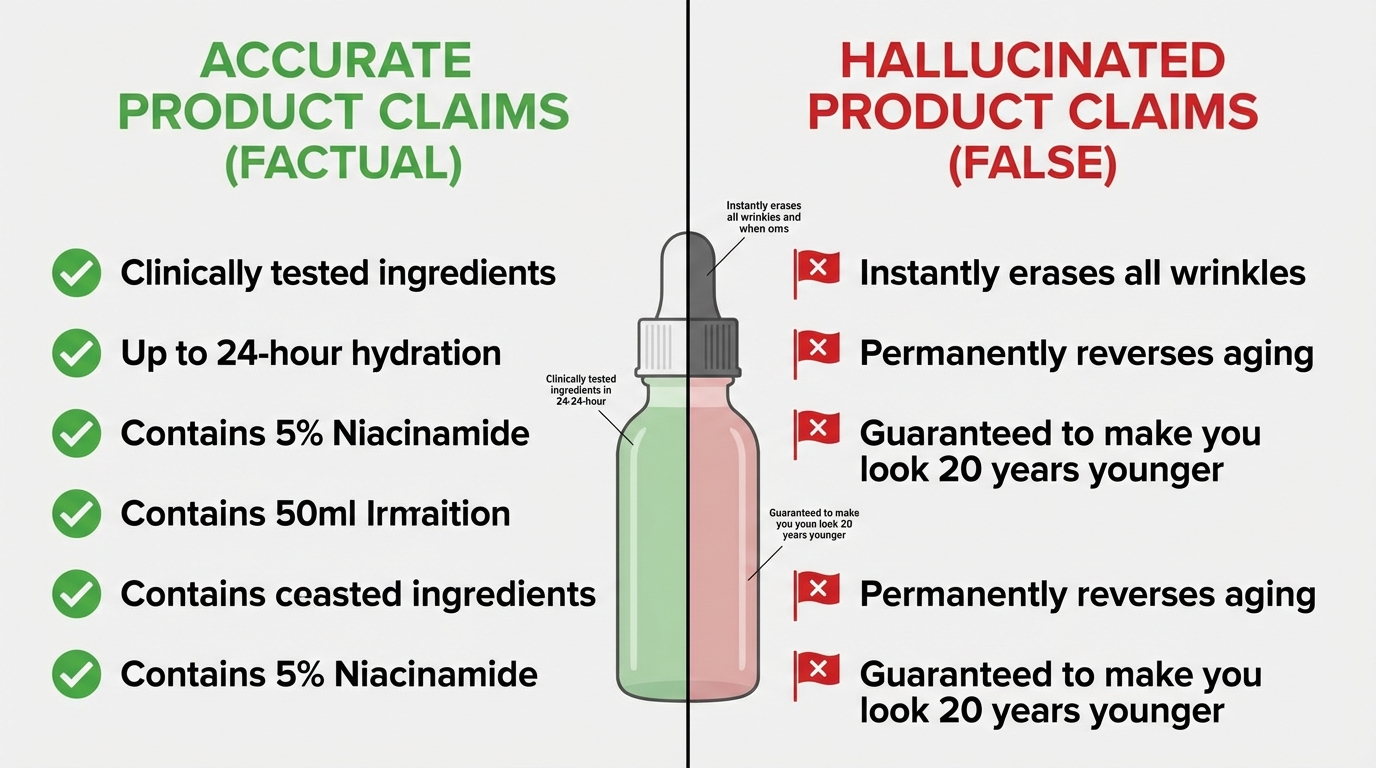
AI hallucination refers to instances where artificial intelligence models generate content that sounds plausible but is factually incorrect, misleading, or entirely fabricated. For Amazon sellers, this becomes a critical issue when using AI to draft product titles, bullet points, descriptions, or backend keywords. For example, an AI might claim a blender has "NASA-grade titanium blades", a detail that sounds impressive but is completely false.
These hallucinations stem from how large language models (LLMs) work: they predict the next word based on patterns in training data, not factual databases. As a result, they can invent features, exaggerate benefits, or cite non-existent certifications. For Amazon sellers relying on AI for scale, unchecked hallucinations can lead to customer complaints, negative reviews, and even account suspensions for misleading claims.
Why AI Hallucination Detection Matters for Amazon Sellers
Maintaining credibility on Amazon is non-negotiable. Shoppers rely heavily on product details to make purchasing decisions. If your listing contains AI-generated inaccuracies, such as false material claims, incorrect dimensions, or fake certifications, customers may feel misled, leading to returns, negative feedback, and damaged brand reputation.
Beyond customer trust, Amazon's algorithm prioritizes listings with high conversion rates and low return rates. Inaccurate content increases the likelihood of mismatches between expectations and reality, hurting your performance metrics. Additionally, Amazon's AI-powered content moderation systems are increasingly flagging listings with suspicious or exaggerated claims, which can result in suppressed content or policy violations.
For growing brands and professional sellers, ensuring content authenticity isn't just about compliance but a competitive advantage. Verified, accurate content builds long-term trust and supports sustainable growth on the marketplace.
Step-by-Step Guide to Detecting AI Hallucinations in Product Content
Detecting AI hallucinations requires a blend of automated tools and human oversight. Here's a practical, step-by-step process Amazon sellers can follow to verify AI-generated content:
Step 1: Flag High-Risk Claims
Review your AI-generated content and highlight any statements that sound too good to be true, especially those involving technical specs, certifications, or unique materials. Examples include "FDA-approved," "military-grade," or "scientifically proven." These are common hallucination triggers.
Step 2: Cross-Check with Supplier or Manufacturer Data
Verify every flagged claim against official product documentation, spec sheets, or direct communication with suppliers. Never assume the AI's output is accurate. For private label sellers, this step is crucial to align marketing content with actual product capabilities.
Step 3: Run AI Detection Tools
Use AI content verification tools to assess whether the text was likely generated by AI and to identify potential inconsistencies. Tools like Originality.ai and Copyleaks analyze writing patterns and flag suspicious content. While they don't verify facts directly, they help identify sections that need deeper scrutiny.
Step 4: Perform a Reverse Search
Copy unique phrases from your content and search them on Google in quotes (e.g., "ultrasonic cleaning frequency 40kHz"). If no credible sources support the claim, it may be a hallucination. This is especially useful for technical or scientific assertions.
Step 5: Peer Review by Marketing or QA Team
Have a second team member, preferably someone familiar with the product, to review the content. A fresh set of eyes can catch inconsistencies that automated tools miss. This is especially valuable for brand managers overseeing multiple SKUs.
Best AI Detection Tools for Amazon Sellers
While no tool can 100% guarantee factual accuracy, several AI detection platforms help identify AI-generated text and flag potential hallucinations. Here are the top tools trusted by e-commerce professionals:
1. Originality.ai
Known for its high accuracy in detecting AI-written content, Originality.ai provides a readability score, plagiarism check, and AI probability percentage. It's widely used by Amazon sellers to audit product descriptions and blog content. The tool integrates well with content workflows and supports team collaboration.
2. Copyleaks
Copyleaks offers advanced AI content verification with multilingual support and deep plagiarism detection. Its AI detector can identify content generated by GPT-3, GPT-4, and other models. Sellers use it to ensure their listings don't accidentally replicate competitor content or contain fabricated details.
3. GPTZero
Originally designed for educators, GPTZero has gained popularity among marketers for its simplicity and transparency. It highlights sections of text likely generated by AI and provides a "burstiness" score to detect unnatural writing patterns. While not foolproof, it's a helpful first-pass filter.
For best results, combine these tools with human review. No AI detector replaces due diligence, but they significantly reduce the risk of publishing misleading content. For more on leveraging AI responsibly, see our comprehensive AI for Amazon FBA Guide.
FAQ
How can Amazon sellers detect AI hallucinations in product descriptions?
Amazon sellers can detect AI hallucinations by reviewing content for exaggerated or technical claims, cross-checking with supplier data, using AI detection tools like Originality.ai or Copyleaks, performing reverse Google searches on key phrases, and conducting peer reviews. Combining automated tools with human verification ensures higher accuracy.
What are the best AI detection tools for verifying content accuracy on Amazon?
The best AI detection tools for Amazon sellers include Originality.ai (for AI probability and plagiarism), Copyleaks (for multilingual AI and content matching), and GPTZero (for pattern-based detection). These tools help identify AI-generated text and flag sections needing manual verification.
Why is AI hallucination detection important for maintaining product listing credibility?
AI hallucination detection is crucial because inaccurate content erodes customer trust, increases return rates, and can trigger Amazon policy violations. Verified, authentic content improves conversion rates, supports brand reputation, and aligns with Amazon's performance-based ranking algorithm.
Next Steps
- Start verifying your AI-generated product content using a tool like Originality.ai or Copyleaks.
- Explore our AI for Amazon FBA Guide to learn how to use AI safely and effectively across your operations.
References
By SellerSprite Team
The SellerSprite Team combines deep expertise in Amazon marketplace dynamics, AI-powered e-commerce tools, and data-driven content strategy. With years of experience supporting thousands of sellers, from beginners to enterprise brands, we deliver actionable insights grounded in real-world performance data and platform best practices.