Getting reviews the right way matters. If you searched Amazon Vine, Amazon Vine program, or what is Amazon Vine, you are probably trying to understand the most legitimate path to early product reviews on Amazon.
This guide explains the Amazon Vine Program, how it works for sellers, and what it means for people curious about becoming an Amazon product reviewer or tester. You will also learn ethical ways to earn more reviews without risky shortcuts, plus a practical workflow using SellerSprite Seller Tools to optimize your listing and learn from reviewer language.
Key Takeaways
- Amazon Vine is an Amazon-run review program that invites reviewers to receive products and leave honest feedback.
- For sellers, Vine can help new listings earn early reviews legitimately, but your listing quality still determines long-term conversion.
- Vine is invite-only for reviewers, so anyone promising "free products for reviews" outside Vine is not the same thing.
- SellerSprite Seller Tools help you improve listing relevance, target buyer intent keywords, and turn review language into actionable optimization.
Table of Contents
What is the Amazon Vine Program?
How Amazon Vine Works
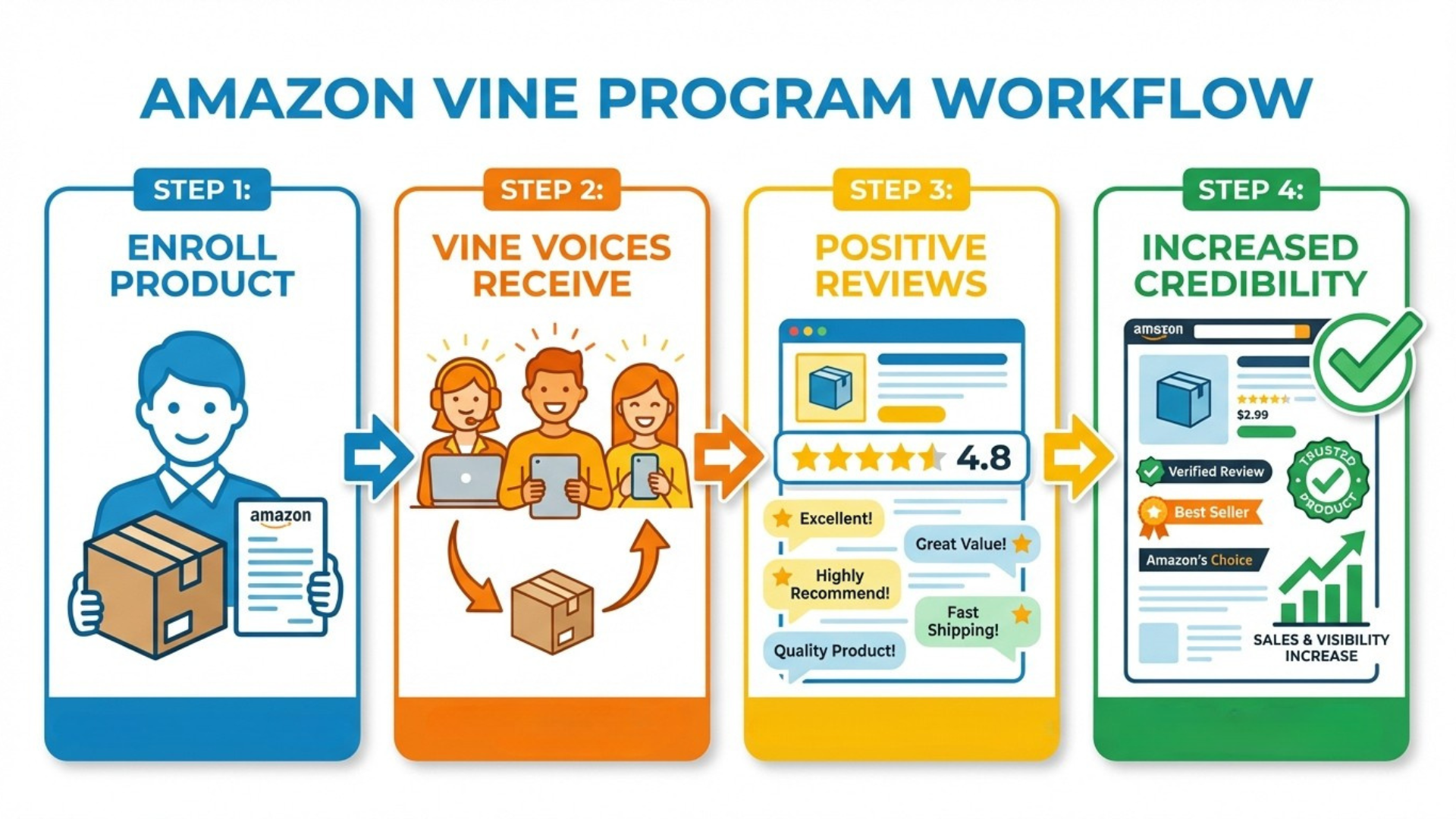
The Amazon Vine program is Amazon's invite-only review system. Amazon selects trusted reviewers known as Vine Voices. Sellers provide units, and Vine Voices can request those products and write honest reviews on the listing. Amazon manages the process, which is why Vine is often considered the most legitimate path for early reviews.
If you see the phrase amazon.com/vine, it is commonly used when people look up Vine information. For sellers, the key point is simple: Vine is designed to generate authentic reviews through an Amazon-controlled flow, not through private deals.
What Vine is and what it is not
- Vine is an Amazon-run review program that supports honest reviews.
- Vine is not the same as private "Amazon review tester" groups that offer incentives for reviews.
- Vine reviewers are invited by Amazon, not recruited by sellers.
Why Amazon Created Vine
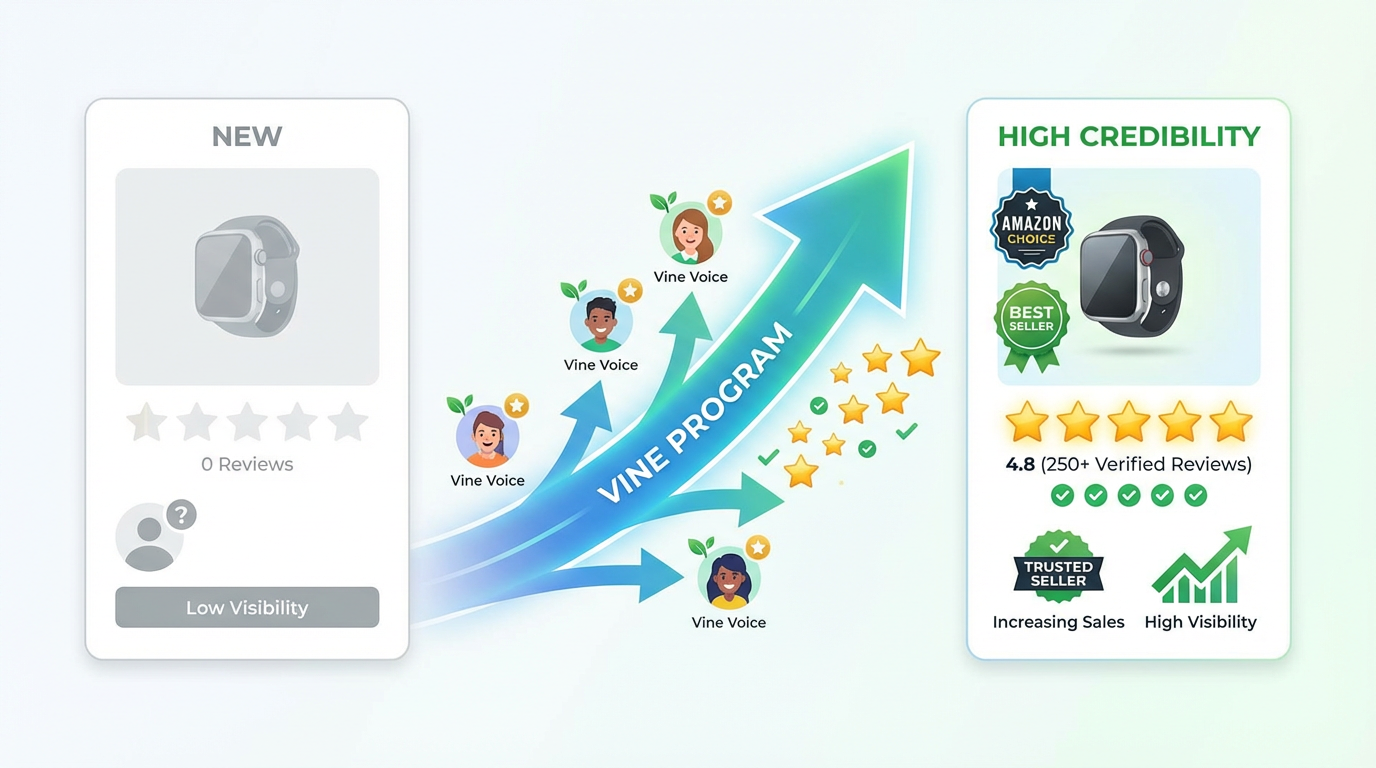
Amazon created Vine to protect review trust while helping newer products earn initial feedback. Early reviews can reduce purchase hesitation, but only if shoppers believe they are authentic and unbiased. Vine is one way Amazon tries to maintain that credibility.
Where SellerSprite fits
Reviews help, but they do not replace relevance. SellerSprite Seller Tools help you align your listing with buyer intent keywords so the traffic you earn is more likely to convert once reviews arrive.
How Sellers Can Use Amazon Vine
Eligibility for Sellers
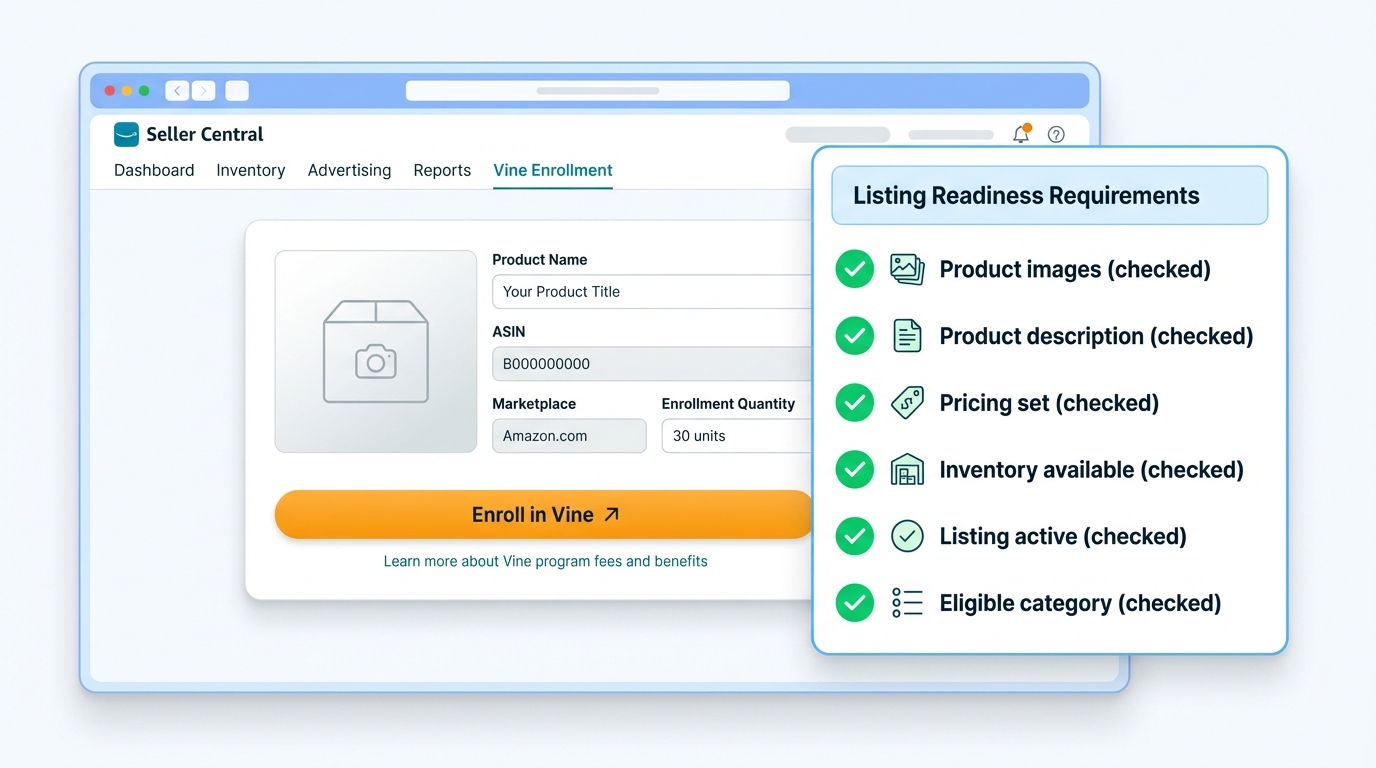
Vine eligibility can vary by marketplace and account type, but it typically centers on two ideas: the offer must be eligible for Vine, and the product must be suitable for early review collection. Many sellers associate Vine access with having an established brand presence through Amazon Brand Registry.
Practical checklist before enrolling
- Your listing is complete with strong images, clear bullets, and accurate variation structure.
- Your product positioning is clear, including size, materials, compatibility, and usage scenarios.
- You can supply enough units to meet reviewer requests without affecting inventory availability.
- You can handle honest feedback and iterate quickly.
Enrolling a Product in Vine
Enrollment is typically done inside Seller Central. You choose the eligible product, commit units for Vine Voices, and follow the steps Amazon provides. After enrollment, reviews can appear as Vine Voices receive and evaluate the product.
SellerSprite prep step that improves outcomes
Before you enroll, use SellerSprite Reverse ASIN to study competitor keywords and then use Keyword Mining to expand long-tail buyer intent phrases. This helps you fix relevance gaps before reviews start influencing conversion.
Costs and Limitations
Vine has constraints you should plan around. Depending on your marketplace, Amazon may charge an enrollment fee and impose limits on eligible SKUs, unit caps, and categories. Vine is also not a guarantee of five-star outcomes because reviewers are expected to be honest.
The best mindset is to treat Vine as an early signal-collection tool. If your product and listing are strong, Vine can accelerate trust. If your offer has unresolved issues, Vine will surface them quickly.
Becoming an Amazon Vine Reviewer (Product Tester Perspective)
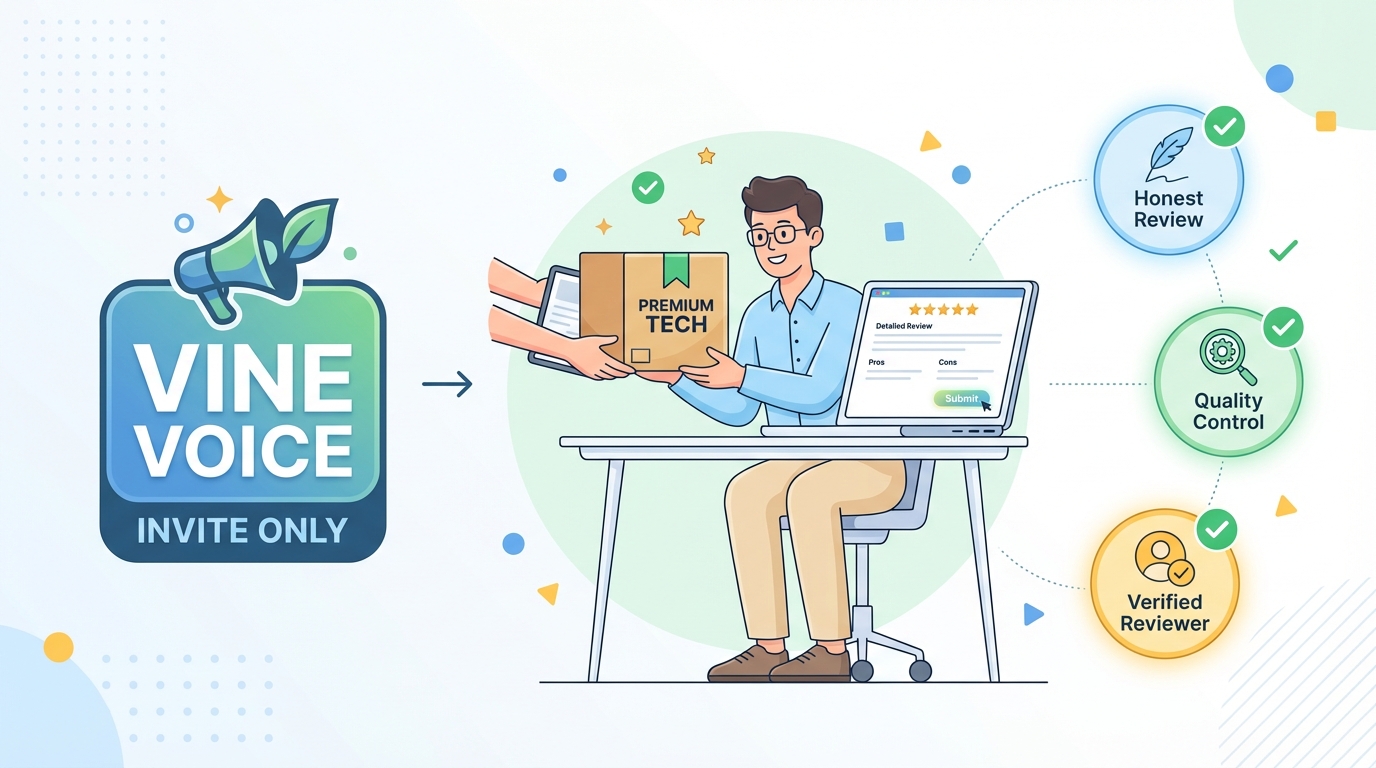
Many people look for ways to become an Amazon product reviewer, a product tester for Amazon, or an Amazon review tester. Vine is the legitimate program most closely associated with that idea, but it is invite-only.
Who Are Vine Voices?
Vine Voices are reviewers selected by Amazon. They tend to have a history of writing helpful, detailed, unbiased reviews that other shoppers engage with. Sellers do not pick Vine Voices, and reviewers cannot buy their way in.
How to Get Invited
There is no application form that guarantees entry. The most realistic guidance is to act like a responsible customer reviewer: write useful reviews, be specific about pros and cons, add context about your use case, and stay consistent over time. That improves your chance of being noticed, but Amazon makes the decision.
Myths About Free Amazon Products
A common misconception is that any "free product for review" club is the same as Vine. It is not. Vine is run by Amazon, and the program rules aim to prevent sellers from influencing review outcomes. Unofficial groups that recruit "Amazon review testers" participants can put both sellers and reviewers at risk.
Amazon's Other Review Programs and Policies
Early Reviewer Program (Retired)
Amazon previously offered the Early Reviewer Program in some marketplaces, but it has been discontinued. Today, sellers generally view Vine as the primary Amazon-managed option for legitimate early review collection, alongside organic review requests.
The Request a Review Button
Many sellers rely on Amazon's built-in review request functionality inside Seller Central. Used consistently, it can help you collect more feedback without offering incentives. Pair it with strong fulfillment and clear product expectations to improve the odds of positive, detailed reviews.
Amazon's Policies on Reviews
Amazon policies generally prohibit incentivized reviews outside approved programs, review swapping, and attempts to influence review content. If you want sustainable success, build your review strategy around Amazon-approved actions and product excellence.
Safe review strategy rules of thumb
- Do use Amazon-managed programs like Vine when eligible.
- Do request feedback through Seller Central tools when appropriate.
- Do not offer gifts, refunds, or discounts in exchange for reviews.
- Do not join private "Amazon review tester" clubs that promise guaranteed reviews.
Tips for Getting More Genuine Reviews
Product Inserts and Follow Up (Within Policy)
A simple product insert that asks for feedback can work if it is neutral and offers no incentive. Keep the language focused on support and satisfaction. The goal is to reduce confusion and help customers use the product correctly, thereby improving review quality.
Excellent Customer Service
Reviews reflect expectations. Fast shipping, accurate packaging, clear instructions, and responsive support all increase the likelihood that a customer will leave positive feedback. Many negative reviews are really communication problems, not product problems.
Using Reviewer Feedback for Improvement
Whether reviews come from Vine or organic shoppers, treat them like data. Look for patterns: sizing confusion, missing parts, unclear compatibility, or performance expectations. Then update the product, packaging, and listing to address the recurring issues.
SellerSprite workflow to turn review language into listing improvements
- Use Reverse ASIN to compare your keyword coverage with top competitors.
- Use Keyword Mining to expand long-tail phrases that match common review questions and objections.
- Use Keyword Research to prioritize the highest demand terms and integrate them naturally into your title, bullets, and backend fields.
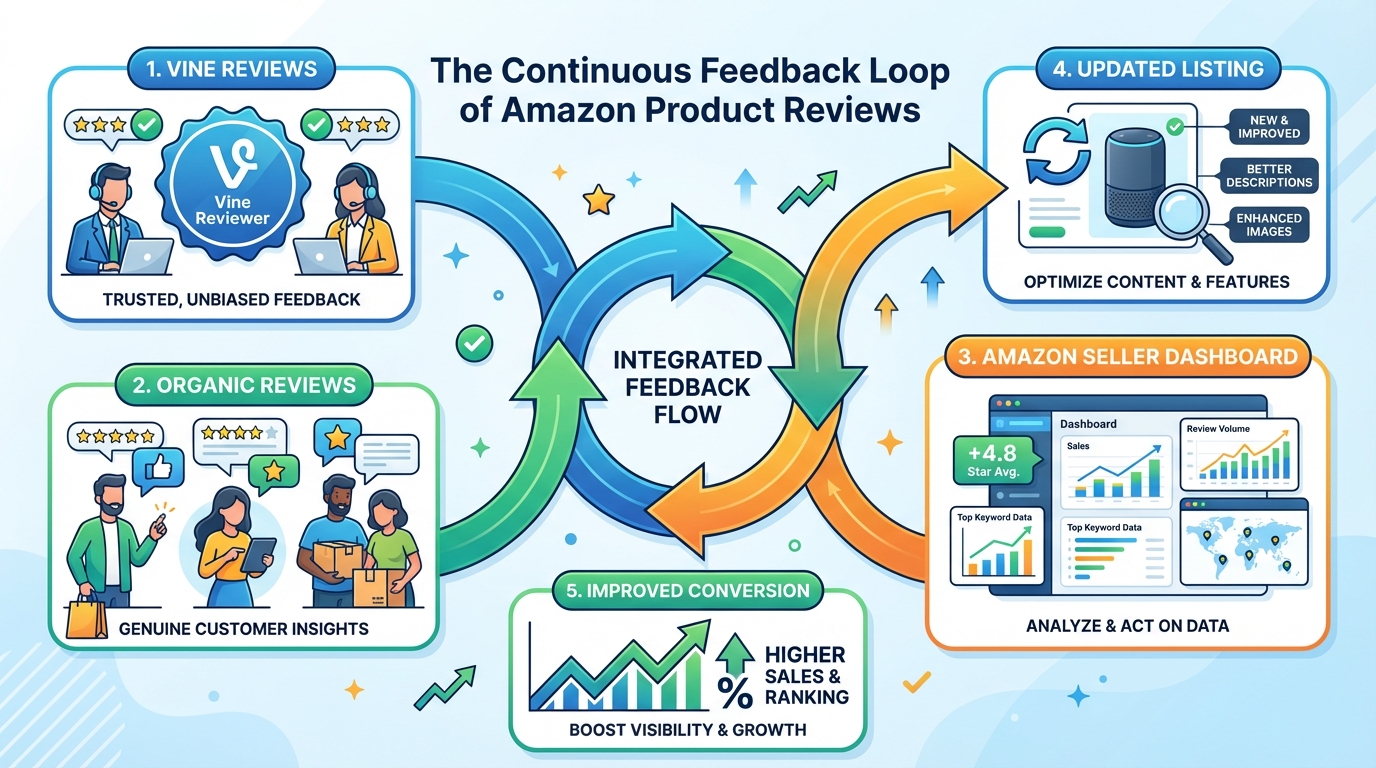
Conclusion: Build Trust with Authentic Reviews
The Long-Term Value of Honest Reviews
Genuine reviews do more than boost conversion. They build long-term trust signals that compound over time. When shoppers see detailed, balanced feedback, they make decisions faster and return less often. For sellers, that typically means healthier conversion rates, more stable organic ranking, and fewer support issues because expectations are clearer from the start.
The Amazon Vine program can help you earn legitimate early feedback, but the real win is what you do next. Use reviews as a roadmap: if multiple customers mention confusion, improve your images and bullets. If they mention missing features, refine the product or bundle. Honest reviews become product intelligence that keeps your listing competitive.
SellerSprite mini-workflow for review-based optimization
- Use Reverse ASIN to identify the keywords that top competitors rank for that you may be missing.
- Use Keyword Mining to expand long-tail intent phrases that match common review questions.
- Update your listing sections to answer the top objections you see in Vine and organic reviews.
Encourage Ethical Strategies
If you want a sustainable review engine, keep it clean. Avoid any "free product for review" offers, review swapping, or private review clubs that position you as an Amazon review tester scheme. These shortcuts can lead to suppressed listings, removed reviews, or account risk. The safest approach is to use Amazon-approved methods and to improve the product experience so customers naturally want to share feedback.
A simple ethical system looks like this: optimize your listing first, enroll eligible products in Amazon Vine when it makes sense, use Amazon's review request features consistently, and keep improving based on what real customers say. Over time, this creates a loop of better listings, stronger conversions, and more authentic reviews.
FAQs
What is Amazon Vine in simple terms?
What is Amazon Vine? It is an invite-only program where selected reviewers can receive products and leave honest reviews, helping shoppers trust early feedback on newer listings.
Can I join Amazon Vine as a product tester?
Vine is invite-only. The best way to improve your chances is to write consistently helpful reviews as a normal customer. Be cautious about any third parties claiming you can sign up as an Amazon review tester outside Amazon's official programs.
Does Vine guarantee good reviews?
No. Vine reviews are meant to be honest. The best way to improve outcomes is to launch with a strong product and a clear listing that matches buyer expectations.
Turn Reviews Into Better Rankings
Use SellerSprite Seller Tools to find buyer intent keywords, close relevance gaps, and optimize your listing so that legitimate Amazon Vine reviews convert into sustainable growth.
About the author
SellerSprite Team builds practical workflows that help Amazon sellers move faster, stay organized, and make decisions backed by real demand signals.